

Why SEO is Actually the Long Game for Business Growth
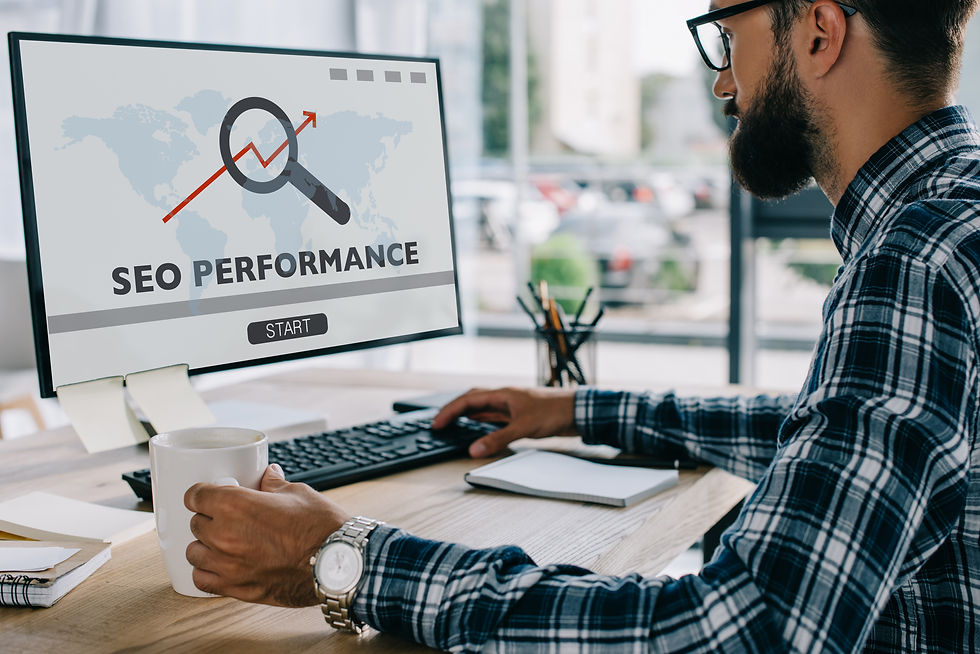
In the current digital landscape, just "having a website" is the bare minimum. It’s essentially a digital business card that stays in your pocket unless you find a way to hand it out. Businesses looking to truly scale need more than just a URL; they need exposure, a sense of authority, and a consistent mechanism to keep the lights on without continually pumping money into ads. This is when Search Engine Optimization (SEO) moves from being a technical buzzword to a key driver of long-term success.
A lot of brands get trapped in the "pay-to-play" cycle. They lean hard on boosted posts or PPC campaigns that offer an immediate hit of traffic, but the second the budget dries up, the leads vanish. SEO is the antithesis of that. It’s an investment in digital real estate that appreciates over time. For a growing brand like TierOne, a strong SEO strategy isn’t just about ranking higher on search engines it’s about building long-term visibility, attracting the right audience, and creating a steady source of qualified traffic that supports real business growth over time.
Cutting Through the Noise: What SEO Really Is
At its core, SEO is the art of making sure your business is the answer when a potential customer asks Google a question. It’s not about spreading keywords over a page like magic dust. It is a multi-faceted discipline, which encompasses:
Technical Health: Ensuring your site isn't a clunky mess and actually loads before a user loses interest.
Strategic Content: Developing information that appeals to humans, not just word salad for algorithms.
Local Dominance: Making sure you come up when someone in the area searches for “near me services.”
User Experience (UX): Designing a journey that feels intuitive, whether the user is on a desktop or a phone.
The Compounding Interest of Organic Traffic
The real beauty of organic traffic is its intent. When someone types "best digital marketing agency" or "how to fix my local search rankings" into a search bar, they are actively looking for a solution. They aren't being interrupted by a mid-roll ad; they are on a mission.
If your site is the one that appears, you're getting an opportunity to build trust. Over time, this creates a "snowball effect." As your authority grows, your cost per lead drops, and your brand awareness climbs without you having to increase your daily ad spend.
Building Credibility by Showing Up
There’s a psychological edge to ranking high on page one. The majority of consumers have an inherent trust in the best results, as opposed to the “Sponsored” tags. High rankings signal that you are an established player in your industry. By consistently showing up with high-quality guides, case studies, and localized content, you move from being a "vendor" to being a "resource."
This is especially true for local businesses. If you're a consultant in Dallas, appearing in the "Map Pack" isn't just a perk, it’s the difference between a ringing phone and total silence.
SEO Doesn't Work in a Vacuum
One of the biggest myths is that SEO is a "siloed" task. In reality, it’s the glue that holds a marketing ecosystem together.
Social Media: Great SEO blog posts become high-value LinkedIn articles or Instagram carousels.
Paid Ads: A page optimized for SEO usually converts better for PPC because the user experience is smoother.
Email Marketing: Your search data tells you exactly what your subscribers are worried about, allowing you to write better newsletters.
The Reality Check: Consistency Over Quick Fixes
The reason many businesses fail at SEO is that they treat it like a sprint. They fix three meta tags, wait a week, and give up when they aren't #1 for a massive keyword.
The truth is that SEO requires a bit of grit. It’s about regular updates, looking at your analytics to determine what’s really working and staying away from “black hat” shortcuts that will eventually get you penalized by Google. You have to focus on the user experience, not just the algorithm.
Why Start Now?
The best time to start an SEO strategy was six months ago; the second-best time is today. Because SEO compounds, the earlier you start building your content library and earning backlinks, the harder it will be for your competitors to catch up.
At the end of the day, SEO isn't just an "optional" marketing tactic. It’s the foundation of how your brand is discovered in a world that starts every major decision with a search engine. Agencies like TierOne know that by integrating technological optimization with a human-centric content strategy, organizations can stop chasing clicks and start creating an audience that actually sticks around.


Comments